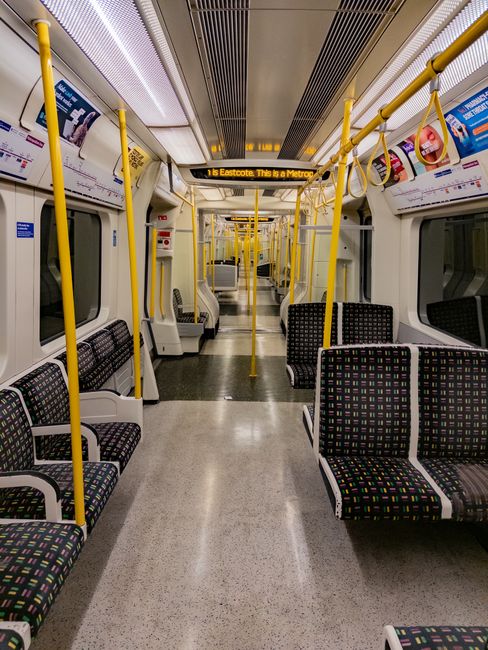
Hainault tube station rubbish removal guide for commuters

If you commute through Hainault tube station and keep noticing bags, packaging, old furniture bits, or the occasional mystery item left on the way to the platform, you are not alone. The reality is simple: rubbish builds up fast around busy stations, and commuters feel it first. This Hainault tube station rubbish removal guide for commuters explains what to do, what to avoid, and how to choose a sensible waste solution when you are short on time and trying to keep your day moving.
Whether you are clearing a flat after work, moving office clutter, dealing with a weekend DIY pile, or just trying to get rid of a few bulky items without the usual faff, the right approach matters. It saves time, avoids penalties, and makes the whole area feel cleaner for everyone. Let's face it, nobody wants to drag a broken chair through a station at 8:10 on a Monday morning.
This guide walks through the practical options, the everyday mistakes people make, and the easiest ways to match the waste to the right service. You will also find a checklist, a comparison table, and a few real-world examples that reflect how commuters actually live and work.
Why Hainault tube station rubbish removal matters
Stations are high-footfall places. That means even a small amount of litter can quickly become a bigger issue: blocked walkways, messy pavements, unpleasant odours, and the sort of tired-looking surroundings that make a journey feel longer than it is. Around a station like Hainault, rubbish removal is not just about tidiness. It is about keeping foot traffic safe and the commute predictable.
For commuters, there is also a personal angle. If you are leaving home with a bin bag, a dismantled shelf, or a box of unwanted household bits, you need a plan that fits between train times, work shifts, and the usual London weather. In the rain, everything becomes a little worse. The tape splits. The bag sags. Someone gets mud on their cuff. Not ideal.
Clean, organised disposal matters because it helps you avoid leaving waste where it should never be left: on station approach roads, near entrances, or beside shared bins that are already overloaded. Good rubbish removal gives you a proper end point for waste, and that matters whether the item is a single mattress or several bags from a declutter.
If you are handling home, business, or renovation waste, it can help to think beyond the station itself. Services like rubbish removal, domestic skip hire, and man and van collections are designed for different volumes, different time pressures, and different access issues. That is usually where the real decision starts.
How Hainault tube station rubbish removal works
The basic process is straightforward, but the best outcome depends on choosing the right method early. Most commuters are dealing with one of three scenarios: a small amount of bagged rubbish, bulky household items, or mixed waste from a move, clear-out, or work project. Each one needs a slightly different solution.
In practical terms, the process usually looks like this:
- Sort the rubbish into clear groups: general waste, bulky items, recyclable materials, and anything restricted or hazardous.
- Work out how much you have. A few bags is very different from a room full of clutter.
- Check whether you can move the items safely without blocking your own route or the station surroundings.
- Choose the right disposal method: a skip, a wait-and-load collection, a man and van service, or a specialist removal service.
- Book a collection time that works with your commute and any access restrictions.
- Make sure the waste is loaded safely, then taken to the correct disposal or recycling route.
The key thing commuters often miss is timing. A rubbish removal plan that works at 11 a.m. on a Saturday may be terrible at 7 a.m. on a weekday. If you need something quick, flexible, and less disruptive, options like wait and load skip hire or same-day skip hire can be more realistic than arranging a long stay skip outside a property with tight access.
For bulky items, another route is a direct collection service. That is often cleaner for commuters because you do not need to store waste overnight or carry it repeatedly. And if you are combining waste with paperwork or office overflow, office clearance and confidential shredding may be worth considering too.
Key benefits and practical advantages
People usually think about rubbish removal as a chore. Fair enough. But done properly, it solves a few problems at once.
- Less stress on the commute: you are not wrestling bags through ticket gates or onto platforms.
- Cleaner surroundings: waste is less likely to be dumped in the wrong place.
- Safer movement: fewer trip hazards for you and everyone else.
- Better time control: you can choose a service that fits around train times and work hours.
- More suitable disposal: different waste types can be handled separately and more responsibly.
- Less physical strain: especially important if the waste is heavy, awkward, or awkwardly shaped. Yes, awkwardly awkward.
There is also a subtle benefit that gets overlooked: a clear plan makes decision-making easier. Once you know whether you need a skip hire option, a grab hire service, or a one-off collection, the whole thing becomes much less intimidating. You stop guessing and start acting.
For example, a commuter who finishes a flat declutter on Sunday evening may not want waste sitting around until the following weekend. A quick booking, a clear load plan, and a recycling-focused collection route can remove the stress before the week begins. Small win, but a meaningful one.
Who this is for and when it makes sense
This guide is for anyone commuting through Hainault who has rubbish to remove and not much time to do it. That includes renters, homeowners, tradespeople, landlords, small business owners, and people in the middle of a life admin clear-out. You do not need a building site to need proper waste removal. Sometimes a couple of sofas, a broken appliance, and a box of old paperwork are enough to cause a headache.
It makes sense when:
- you are moving house and need old items gone quickly
- you have bulky waste that will not fit in normal bins
- you are doing a spring clear-out after a long commute-heavy week
- you have renovation rubble, packaging, or DIY waste
- you work nearby and need a discreet commercial solution
- you are dealing with a one-off urgent clearance before guests arrive or a tenancy ends
If you are dealing with home clutter, services such as house clearance, garage and loft clearance, and mattress and sofa disposal can save a lot of physical effort. If it is garden cuttings rather than household junk, garden waste removal is usually the cleaner fit.
And if the waste is more commercial or project-based, the story changes slightly. That is where builders waste removal, construction waste disposal, or demolition waste removal might be the right call instead.
Step-by-step guidance
If you are trying to keep things simple, use this sequence. It is not glamorous, but it works.
- Identify the waste type. General rubbish, bulky items, green waste, construction debris, or sensitive materials all need different handling.
- Estimate the volume. A few bags may only need a collection. Larger loads may need a skip or grab vehicle.
- Check access. Think about where a vehicle can stop, whether there is enough room to load, and whether stairs, narrow paths, or parking restrictions are in the way.
- Separate restricted items. Items like fridges, certain electricals, or anything classed as hazardous may need special treatment.
- Choose the method. Compare skip hire, wait and load, man and van, or grab hire based on how quickly you need the waste gone.
- Book a suitable time. Try to avoid peak commute windows if access is tight. A calm 10 minutes beats a rushed 3 minutes every time.
- Prepare the load. Break down cardboard, remove loose items, and keep heavier waste at the bottom where possible.
- Confirm disposal expectations. A reputable service should be clear about recycling, restrictions, and what can and cannot go in the load.
If you are unsure what belongs in a mixed load, the guide on what can go in a skip is a useful reference point. It helps avoid one of the biggest commuter mistakes: filling a load with the easy stuff and forgetting the awkward item until the last minute.
For some people, the simplest route is to book online after checking the likely load size. Then you are not trying to compare ten options on the morning train with one bar of signal. Been there, sadly.
Expert tips for better results
After years of handling waste requests in different shapes and sizes, a few patterns stand out. The jobs that go smoothly usually have the same habits behind them.
- Sort before you book: it is much easier to choose the right service when the waste is already grouped.
- Measure bulky items: sofas, wardrobes, and appliances always look more manageable in the hallway than they are in the van.
- Be realistic about time: a quick tidy-up can become a whole-room clear-out. Build in a buffer.
- Keep access clear: if a collector cannot safely reach the load, everything slows down.
- Use bags and boxes sensibly: overfilled sacks split at the worst moment, usually when you are late already.
- Think about recycling early: separating cardboard, metal, wood, and green waste can make disposal cleaner and more efficient.
One practical tip people appreciate: keep a small "do not forget" pile by the door for the last items you want removed. It sounds obvious, but when you are juggling keys, tickets, and a coffee, obvious things have a habit of disappearing from memory.
If security matters because waste is being stored briefly, an enclosed and lockable skip hire option may be worth a look. That can be especially useful for shared driveways, mixed-use premises, or places where you want a bit more peace of mind.
Common mistakes to avoid
A lot of waste problems are caused by small planning errors, not huge disasters. The good news is they are fairly easy to avoid once you know what to watch for.
- Leaving it too late: the "I'll sort it after work" approach can become "I'll sort it next month." Happens more than people like to admit.
- Choosing the wrong service: a bulky load may not suit bag collection, while a small clear-out may not justify a full skip.
- Mixing restricted items in with general waste: this can create extra charges or refusal at collection.
- Underestimating volume: one spare chair and one broken wardrobe can turn into half a room very quickly.
- Ignoring access issues: tight streets, permit concerns, and commuter parking patterns all matter.
- Assuming everything can go together: not every item belongs in the same disposal stream.
The most frustrating mistake is probably this: paying for a service, then making the loading area unreachable by parking in the wrong place or leaving bags scattered too far apart. It's a small thing, but it can derail a neat plan fast.
If you have specialist items like a fridge, freezer, or large appliance, check the dedicated service first. The pages for fridge and appliance removal and mattress and sofa disposal can help you avoid guessing. Guessing is expensive. And annoying.
Tools, resources and recommendations
You do not need a complicated toolkit to manage commuter rubbish removal, but a few simple items make the job much smoother.
- Heavy-duty sacks: for safe bagging of mixed household rubbish.
- Marker pen and labels: helpful when separating recyclables, keep, and dispose piles.
- Measuring tape: especially useful for bulky furniture or awkward appliances.
- Gloves and sturdy footwear: basic, but worth it if you are lifting awkward items near the station or at home.
- Phone camera: useful for photographing items if you want a quicker quote or clearer collection brief.
- Simple loading plan: put the heaviest items closest to the access point and the lighter bits on top only where safe.
From a service perspective, the most useful resources are the ones that help you match waste to method. For a fast clear-out, man and van is often the easiest for mixed household loads. For larger or heavier projects, grab lorry hire can be a practical alternative, especially where there is limited space for loading.
If you are still deciding between options, the combination of skip sizes and prices and pricing and quotes is a smart place to start. You can usually narrow the choice faster when you know the likely size and the level of service you need.
Law, compliance, standards and best practice
Waste disposal in the UK is not something to treat casually. You do not need to become a legal expert, but you do need to be careful about duty of care, item restrictions, and safe handling. In plain English: if you create the waste, you should know where it is going and who is handling it.
Good practice usually means:
- using a licensed and reputable waste carrier
- separating hazardous items from general rubbish
- avoiding fly-tipping, even by accident
- keeping paperwork or confirmation where relevant
- making sure collections are arranged safely and legally
If permits are needed because a skip will be placed on public land or another controlled area, check the relevant permit process in advance. The pages on skip hire permits and skip permits are useful starting points. The exact rules depend on location and setup, so it is worth confirming before the day of delivery.
Hazardous items need special caution. Things like chemicals, paints, asbestos-type materials, and some electrical or refrigeration waste should never be treated like ordinary rubbish. When in doubt, stop and check. That tiny pause can save a very messy headache later. The dedicated hazardous waste disposal service exists for exactly that reason.
For businesses, a proper waste workflow also supports tidy premises, safer staff movement, and fewer collection issues. That applies whether you are clearing an office, handling stock-room waste, or managing regular commercial rubbish. The useful thing is not perfection. It is consistency.
Options, methods and comparison table
Here is a practical comparison of the most common rubbish removal methods commuters consider around Hainault.
| Method | Best for | Main advantage | Main limitation |
|---|---|---|---|
| Rubbish removal | Mixed household waste, quick clear-outs | Simple and convenient | Not ideal for very large volumes |
| Man and van | Bulky items, mixed loads, tight schedules | Flexible and hands-on | May be less suitable for ongoing large projects |
| Skip hire | DIY waste, refurbishment, ongoing clearances | Good for larger amounts | Needs space and sometimes permit consideration |
| Wait and load | Fast loading where space is limited | Very convenient for busy roads and short jobs | You need to be ready when the vehicle arrives |
| Grab hire | Heavy waste, soil, rubble, larger clearances | Handles bulky material efficiently | Access and load type matter |
For commuters, the decision often comes down to one question: do you need the rubbish gone quickly, or do you need a container for an ongoing job? If it is the first, wait and load skip hire or man and van may be the better fit. If it is the second, skip hire is often more practical.
Case study or real-world example
Picture a commuter who has just finished clearing a small two-bedroom flat near the station. There are four bags of general rubbish, a dismantled desk, a broken bedside cabinet, a mattress, and a few cardboard boxes from a recent move. The first instinct is usually to try and shift it all in one go after work. Then reality kicks in. It is dark. It is raining. The bags are heavier than expected. And the lift is, naturally, being temperamental.
In a situation like that, a mixed approach tends to work best. The general rubbish can go with a collection service, the mattress can be handled separately, and the boxes can be flattened and recycled where appropriate. If the landlord needs the property back quickly, a same-day or next-day option can make the difference between a smooth handover and a stressful scramble.
That kind of practical split is why one-size-fits-all rubbish removal is rarely the best answer. The smarter approach is to match the waste to the method instead of forcing everything into one plan. Simple, but it saves time. And frankly, it saves your back too.
In a different scenario, a local shop or office near the station may need regular waste removal without disrupting customers or staff. There, commercial skip hire or office clearance may offer a cleaner fit than a one-off ad hoc pickup.
Practical checklist
Use this quick checklist before you book or move anything.
- Have I separated general waste, bulky items, recycling, and restricted items?
- Do I know roughly how much waste I need removed?
- Can the load be accessed safely without blocking the station route or my own entryway?
- Do I need a fast collection, a skip, or a vehicle that waits while I load?
- Have I checked for anything that needs specialist handling?
- Do I know whether a permit might be needed?
- Have I confirmed the timing around my commute and any access restrictions?
- Am I clear on what will and will not be taken?
- Have I prepared the waste so loading is quick and tidy?
- Do I know who to contact if I need to adjust the booking?
If you tick most of those boxes, you are already ahead of the game. People often rush the first three and regret it later. No drama, just avoidable friction.
Conclusion
Hainault tube station rubbish removal does not need to be complicated, but it does need a bit of common sense. The best outcomes usually come from matching the waste to the right method, planning around commute patterns, and not trying to squeeze bulky or mixed rubbish into a solution that was never designed for it.
For commuters, convenience matters, but so does safety, timing, and proper disposal. Whether you need a fast clear-out, a bigger household removal, or a more specialist service, the trick is to act early enough that the job stays calm. A little planning on a Tuesday evening can spare you a lot of stress by Friday morning.
And if you are still weighing up your options, start with the waste type, then the access, then the urgency. That simple order usually leads to the right choice.
Get a free quote today and see how much you can save.
Clean journeys feel better. A clear route, a lighter load, and one less thing to carry home at the end of the day - that is a proper commuter win.
Frequently Asked Questions
What is the best rubbish removal option for commuters near Hainault tube station?
It depends on the amount and type of waste. Small mixed loads often suit rubbish removal or man and van collections, while bigger clear-outs may need skip hire or grab hire.
Can I leave rubbish near the station and have it collected later?
No, not if it means leaving waste in a public place or obstructing access. Waste should be stored safely on private property or in an approved container until collection.
Is same-day rubbish removal possible if I only have a short window?
Sometimes, yes. It depends on availability and the job size. Same-day skip hire can be useful when time is tight, but it is always best to book as early as you can.
What if I only have a few bags of waste?
If the load is small, a simple collection service may be the most efficient option. You do not need to overcomplicate it. Small jobs should stay small.
Do I need a permit for a skip near Hainault?
If the skip is going on public land or somewhere permission is required, a permit may be needed. Check in advance rather than assuming. The permit question is one of those small details that can become a big delay.
Can bulky furniture like sofas and mattresses be removed?
Yes. These are usually handled separately or through a dedicated bulky item service. The pages for mattress and sofa disposal and house clearance are useful starting points.
What should I do with a fridge or other appliance?
Appliances often need specific handling because of their size and components. A dedicated fridge and appliance removal service is usually the safer option.
Is skip hire better than a man and van service?
Not always. Skip hire is often better for ongoing or larger jobs, while man and van is usually better for mixed loads, quick clearances, and tighter access. It is a practical choice, not a badge of honour.
What waste should never go in a standard rubbish load?
Hazardous items, chemicals, and some specialist materials should be handled separately. If you are unsure, use hazardous waste disposal rather than guessing.
How can I make rubbish removal easier around a busy commute?
Sort waste early, flatten cardboard, measure bulky items, and pick a collection time that avoids your busiest travel window. A bit of prep makes the whole thing feel oddly light, even when the rubbish isn't.
Can businesses near the station use these services too?
Yes. Shops, offices, and commercial spaces often need fast and discreet waste solutions. Commercial skip hire and office clearance are both worth considering.
How do I know whether I need skip hire or rubbish removal?
If the waste is bulky, ongoing, or project-based, skip hire can be a better fit. If you want a quick, simple collection for mixed items, rubbish removal or man and van may be easier. The size of the job usually tells you the answer.
Where can I learn more about recycling and responsible disposal?
You can read more about the company's approach on the recycling and sustainability page. That is a useful follow-up if you want a cleaner disposal route, not just a quick removal.